Square and Cirlcular Towers
 Leave a comment
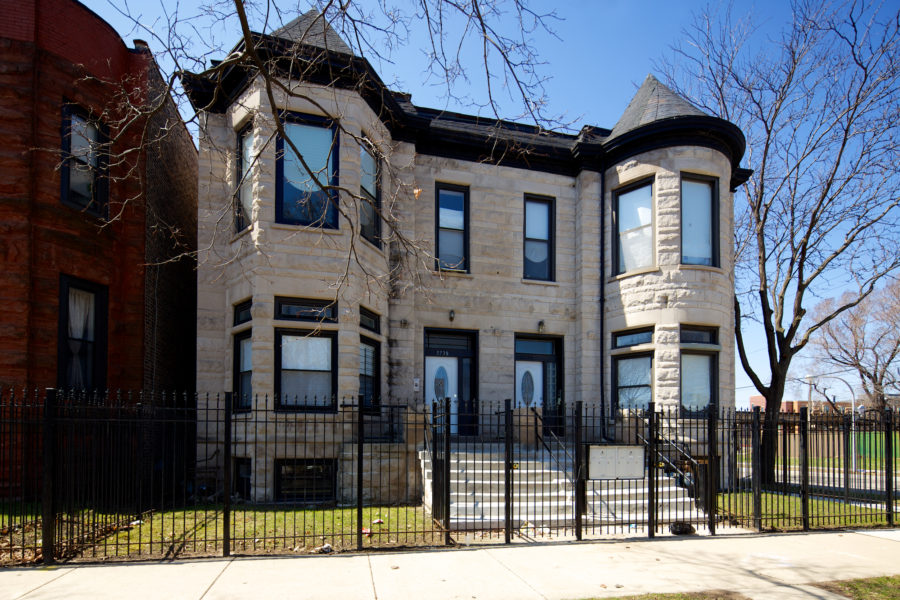
John Morris/Chicago Patterns
This greystone six-flat at Wabash and 37th in Bronzeville is square on the left, round on the right.
 Leave a comment
John Morris/Chicago Patterns
This greystone six-flat at Wabash and 37th in Bronzeville is square on the left, round on the right.
 25 comments
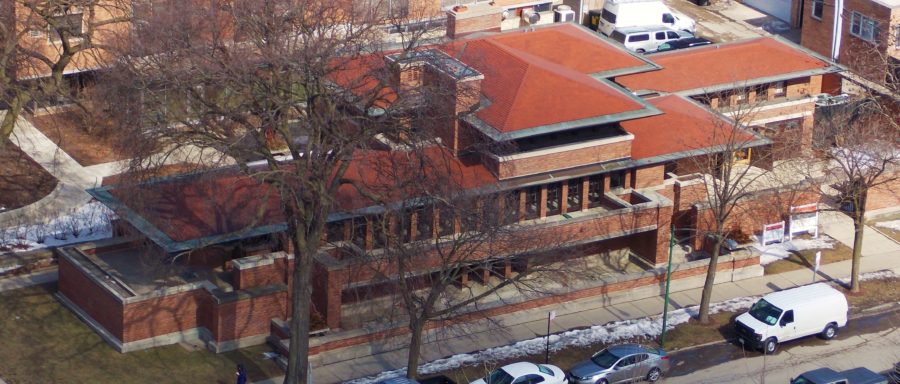
Andi Marie/Chicago Patterns
It all started when Frederick C. Robie purchased a 60 by 180-ft. lot at 5757 S. Woodlawn Ave. from Harold Goodman. This was the beginning of what would change the face of architecture in Chicago and beyond.
Fred and Lora Robie commissioned Frank Lloyd Wright to create a masterpiece. Mr. Robie and Mr. Wright admired each other and were both forward thinkers who weren’t afraid to push limits. Wright would later call the house he built for the Robie family as his best work.
1 comment
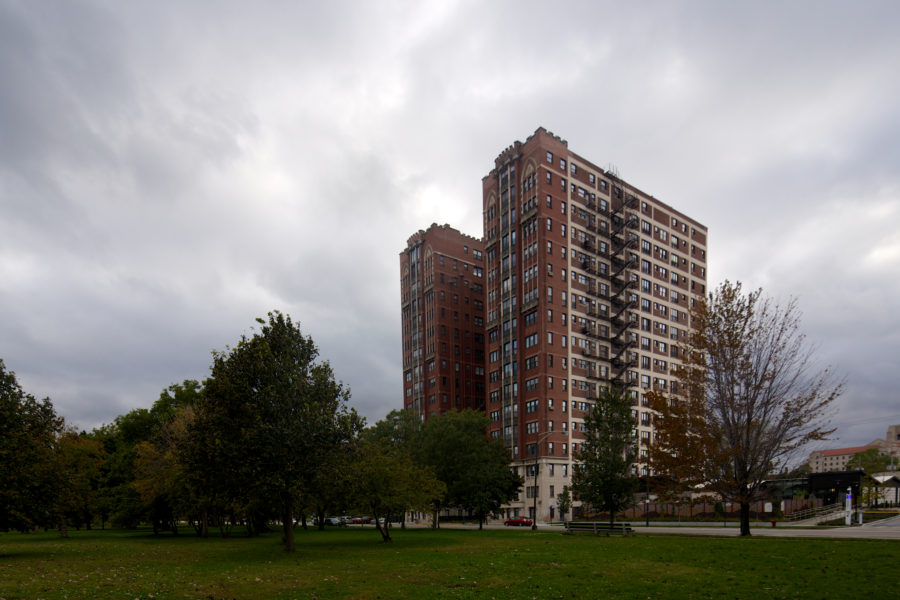
John Morris/Chicago Patterns
Found in many Chicago neighborhoods, the courtyard building is usually overlooked as a significant part in Chicago’s development history. But during the time in which most were constructed (1900-1930), these buildings provided the less wealthy a decent living space: plentiful interior space, abundant natural lighting, and cross ventilation, which helped keep air temperature low. Cross-ventilation was particularly important as air conditioning wasn’t yet in use.
Perhaps the grandest, or at least tallest, courtyard building in the city is Vista Homes in Hyde Park.
Leave a comment
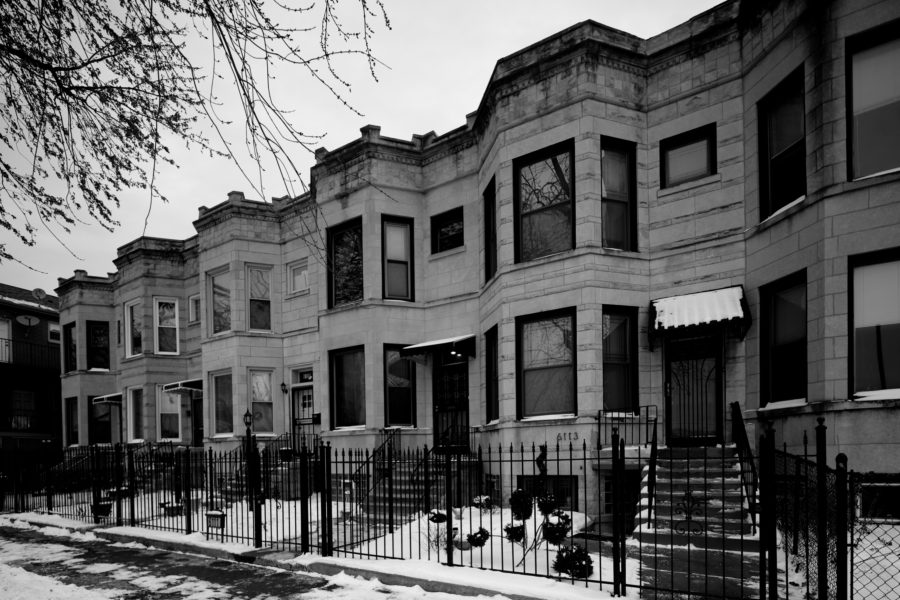
John Morris/Chicago Patterns
Greystone rowhouses at Drexel and 61st in Woodlawn.